Portugal has joined seven other EU countries and Switzerland in formally asking the European Commission to extend, beyond September, the ability to temporarily fall back on manual passport checks when the bloc's new digital border system runs into trouble.
What's being asked
In a letter to European Home Affairs Commissioner Magnus Brunner, Portugal's Interior Minister Luís Neves and his counterparts from Belgium, France, Germany, Greece, Italy, Malta, and the Netherlands, plus Switzerland, asked the Commission to extend a temporary "partial suspension mechanism" past its scheduled September 6 expiration. That mechanism currently allows member states to fall back on alternative procedures, manual registration and passport stamps, when the digital system suffers technical failures, until normal operation is restored.
"The anticipated end of the partial suspension mechanism, on September 6, is a cause of serious and legitimate concern, shared not only by several member states, regardless of their level of preparedness, but also by the entire transport sector," the ministers wrote. They asked the Commission to provide concrete written guarantees on this flexibility before the September deadline.
What the system actually is
The Entry/Exit System (EES) is the EU's digital replacement for manual passport stamps: it electronically registers the entry and exit of non-EU nationals crossing the external Schengen border, using biometric and digital records instead of ink stamps. It was launched in October 2025 and became fully operational in April 2026.
Why now
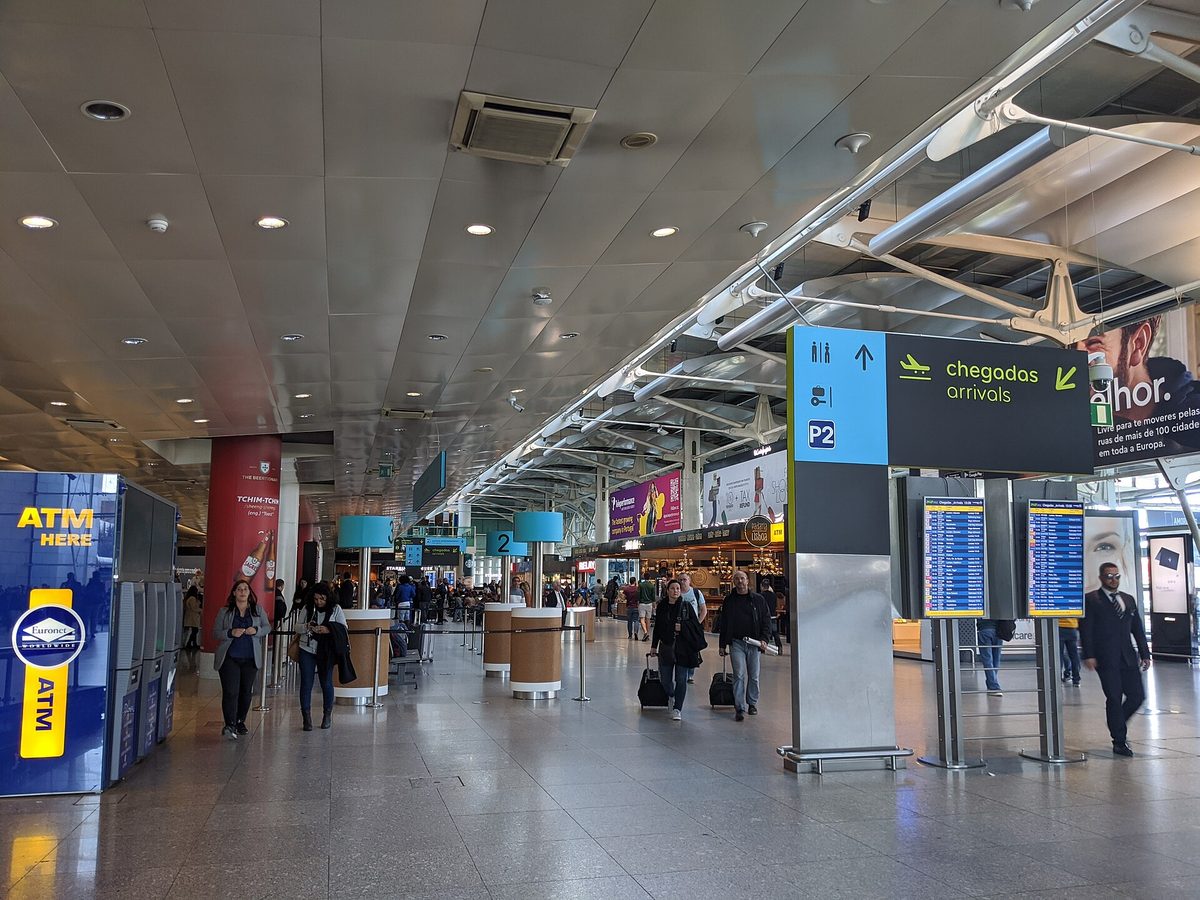
In recent months, travelers have reported long waits at Portuguese airport border checks, particularly in Lisbon, which officials and the ministers' letter attribute to a combination of the new system's rollout and insufficient staffing and technology to run it smoothly. European airline and airport industry associations had already separately asked Brussels to suspend the new system over the summer, citing "unsustainable pressure", a request the responsible commissioner answered only in general terms, saying the Commission would "redouble efforts" to help struggling member states.
The letter is careful to stress that the signing countries remain "fully committed to the full implementation of the Entry/Exit System, which is essential to improving border management and strengthening the security of the Schengen area." But it also acknowledges "important lessons" from the system's first eight months in operation, noting that "significant difficulties can arise in exceptional circumstances, and these risks should not be underestimated."
What Portugal has done so far
The government has already announced a reinforcement of border agents, new document-control posts, and additional automated e-gates at major national airports, aimed at cutting wait times during the peak summer travel season. More than 360 additional police officers began reinforcing airport border control earlier this month.
What it means for travelers
If you're a non-EU national flying into Lisbon or Porto this summer, or expecting visitors who are, long queues at border control remain a real possibility, and this letter is essentially nine governments admitting the system isn't running smoothly enough yet to remove the safety net. The request doesn't roll back EES itself; it just asks to keep the manual-stamp fallback available a little longer, as a hedge against further technical trouble during the busiest months of the year.