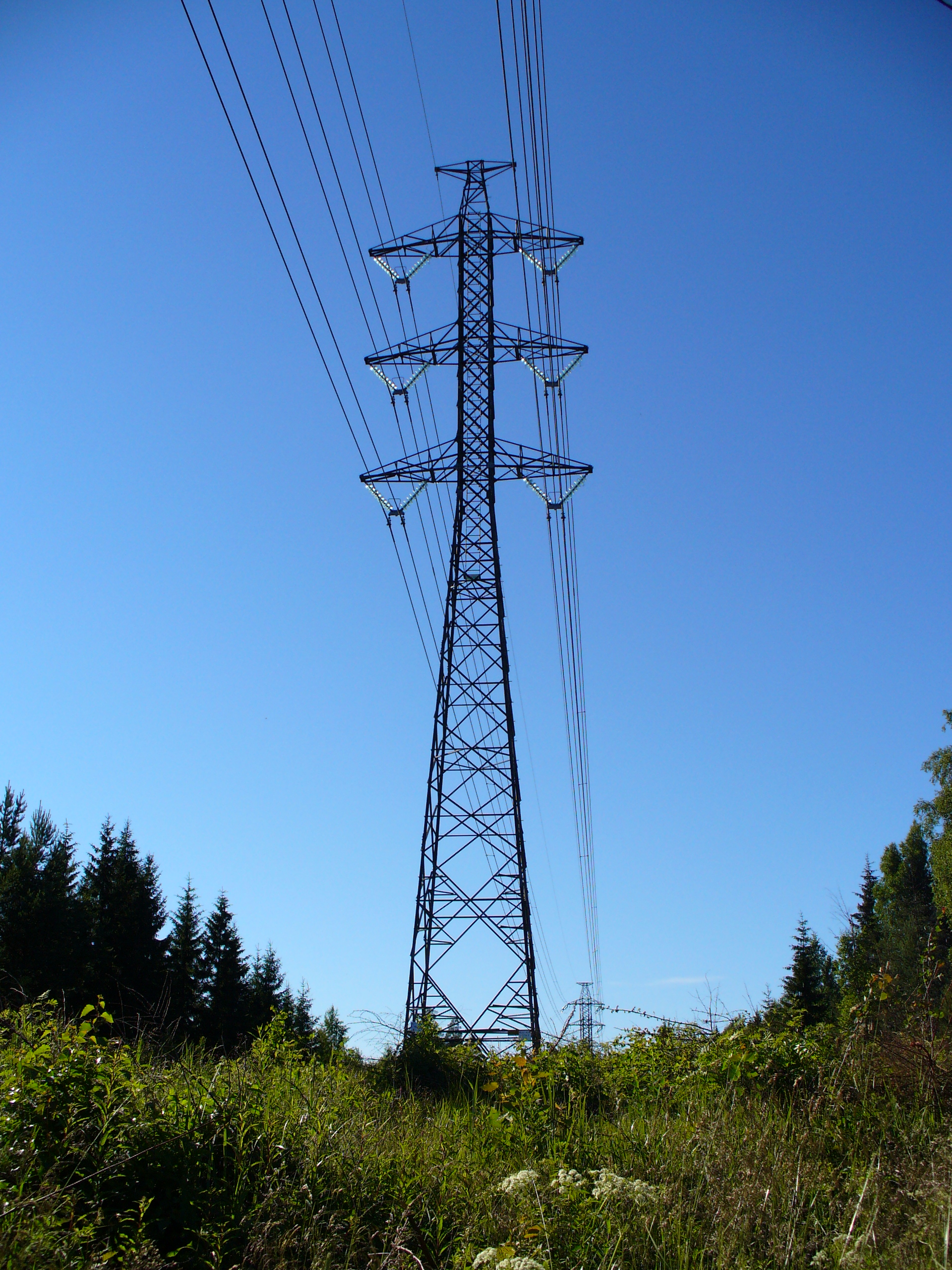
Portugal's Council of Ministers approved the Plano de Desenvolvimento e Investimento da Rede Nacional de Distribuição de Eletricidade em Alta Tensão e Média Tensão (PDIRD-E 2026-2030) on August 6, a five-year, €1.58 billion investment plan for the country's high and medium-tension electricity distribution network. The government says the plan is intended to reinforce "the resilience and modernization of the national electrical grid," preparing it for the energy transition, increased electrification, and greater integration of renewable energy.
The plan will be carried out by E-Redes, the EDP Group company that manages Portugal's electricity distribution network. E-Redes operates more than 230,000 kilometers of distribution lines nationally, of which about 84,000 kilometers are high and medium tension, which are the parts covered by this investment plan. The remaining 147,000 kilometers of low-tension lines fall outside it.
Tied directly to last year's blackout
About a fifth of the investment is earmarked to make the grid "more reliable and robust," a direct response to April 2025's major blackout across the Iberian Peninsula. The plan also represents a 50% increase over E-Redes' original proposed investment figure, and received what's being described as the first-ever approval from Portugal's energy regulator, ERSE, without any investment cuts to the proposal.
That regulatory approval, though, happened more than a year before the government's final approval. ERSE approved the underlying proposal back in April 2025, on the condition that E-Redes clarify its adoption of certain technology choices. The government's formal Council of Ministers approval came more than a year after that regulatory green light.
What the money will fund
According to the government, the planned investments increase network capacity, reduce constraints on connecting new energy production, consumption, and storage projects, strengthen the security and quality of electricity supply, and accelerate investments tied to Portugal's Recovery and Resilience Plan (PRR).
Separately, the 2026 State Budget exempts new grid assets built under this plan, along with a related €1.69 billion transmission-network investment program run by REN through 2034, from Portugal's special energy sector tax (CESE).
The exemption follows a Constitutional Court ruling against applying that tax to certain electricity transmission and distribution assets. Together, the two investment plans total more than €3 billion.
Also approved the same day
The same Council of Ministers session approved two other measures worth noting. A decree-law changes licensing and oversight rules for petroleum product storage and fuel stations, simplifying procedures and raising the licensing exemption threshold for LPG gas bottle storage. Separately, a decree alters Portugal's general waste management regime, creating a new revenue model for the Waste Management Tax (TGR) that exempts municipalities meeting EU recycling and reuse targets from paying it, while reinforcing funding for construction and demolition waste recovery.