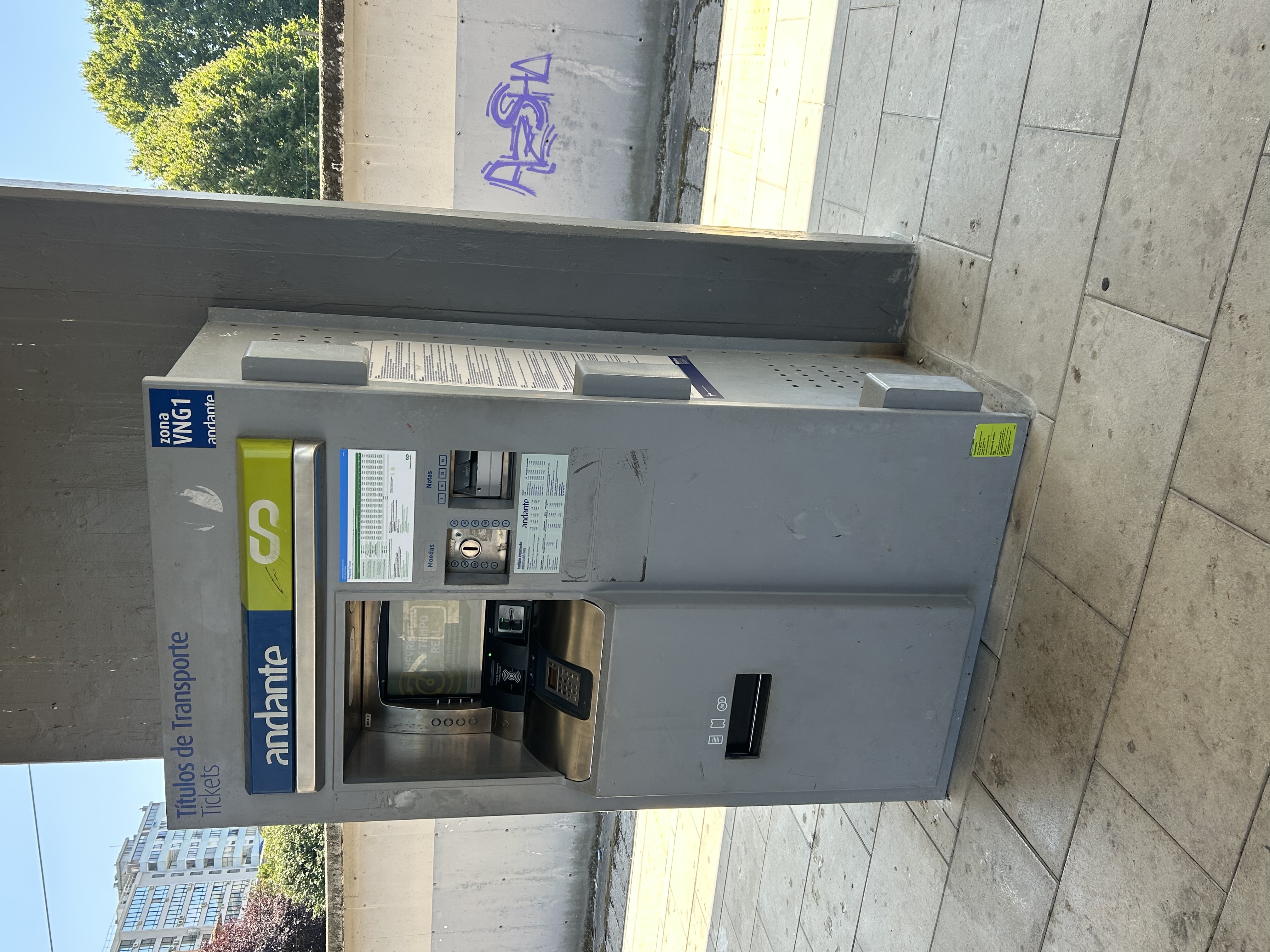
Ten days after Porto made public transport free for residents holding its municipal card, the opposition across the river is calling for the same policy. PS/Gaia formally challenged Vila Nova de Gaia's mayor, Luís Filipe Menezes, this week to follow Porto's lead, after Infrastructure and Housing Minister Miguel Pinto Luz publicly praised Porto's initiative. Menezes has already answered more than once. He has repeatedly described the proposal as "madness."
The case Menezes is making
His argument rests on scale. Porto has around 200,000 residents. Gaia has nearly 400,000, a much larger and more spread out municipality that stretches nearly 40 kilometers from Lever to São Félix da Marinha. Extending free transport to everyone, he says, would mean choosing between that and fixing roads and requalifying schools. He believes most residents would choose the roads. He has also said his decisions aren't shaped by the municipal election still three years away.
The financial debate
Porto's program has a public price tag: an estimated €20.5 million a year, budgeted at €10.25 million for 2026 and rising to €18.7 million in 2027. The city's budget assumes the program will eventually cover about 59,000 residents, roughly 23.5% of the population, a separate figure from the nearly 44,000 residents who had already registered within the program's first week. Neither Menezes nor PS/Gaia has put a comparable public estimate on what a Porto-style program would cost in Gaia, a municipality with nearly double the population.
PS/Gaia has instead pointed to the city's own accounts. In April, the party argued the municipality could afford universal free transport, pointing to Porto and Viseu as examples, citing Gaia's 2025 financial statements, which showed a €91.8 million year-end surplus and revenue of €325 million, up 20% from 2024. Menezes has not addressed that specific figure directly. His public position remains that the ongoing operating cost of a free-for-all program, not the year-end surplus, is what makes it unsustainable long term.
The cable car complicates the picture
Gaia is building a new public cable car connecting the beaches at Canidelo to the future Arrábida metro station, with a projected capacity of up to 15,000 passengers an hour. Menezes has put the cost at roughly €80 to 90 million, financed through a private concession under which the operator would build and run the system and be paid per kilometer and per passenger, using a model already negotiated with the state and the metropolitan transport authority. Menezes has said the city could have built and operated it itself for an estimated €2 to 3 million a year without borrowing, but that public procurement limits made that route impractical.
Because the cable car is being financed through a concession rather than direct municipal borrowing, opponents argue it complicates any comparison between transport spending and the budget used for roads and schools. Menezes has maintained that the two are not comparable regardless: a one-time concession project, in his framing, is a different kind of commitment than an open-ended annual operating expense.
A related fight already playing out
The free-versus-means-tested argument isn't new in Gaia. It's been running in miniature over senior transit passes. The council cut a discounted pass program for residents over 65 in January, restored it in February under the name Gaia Amiga, at an estimated cost of €4 million a year, and has been in dispute with PS ever since over eligibility. PS wants the income threshold raised from €750 to €1,000 a month; that proposal has been voted down three times, most recently on July 21, even as Menezes has separately said he wants to extend senior discounts to all elderly residents by 2029. PS/Gaia argues that the administration has prioritized large infrastructure projects over measures that would reduce residents' day-to-day commuting costs.
What happens next
For now, the practical reality is unchanged. Porto residents can obtain free public transport through the city's municipal card. Gaia residents cannot, and Mayor Menezes has repeatedly ruled out introducing a similar program. Whether that position changes will likely remain a political question as Porto's initiative continues to attract attention.