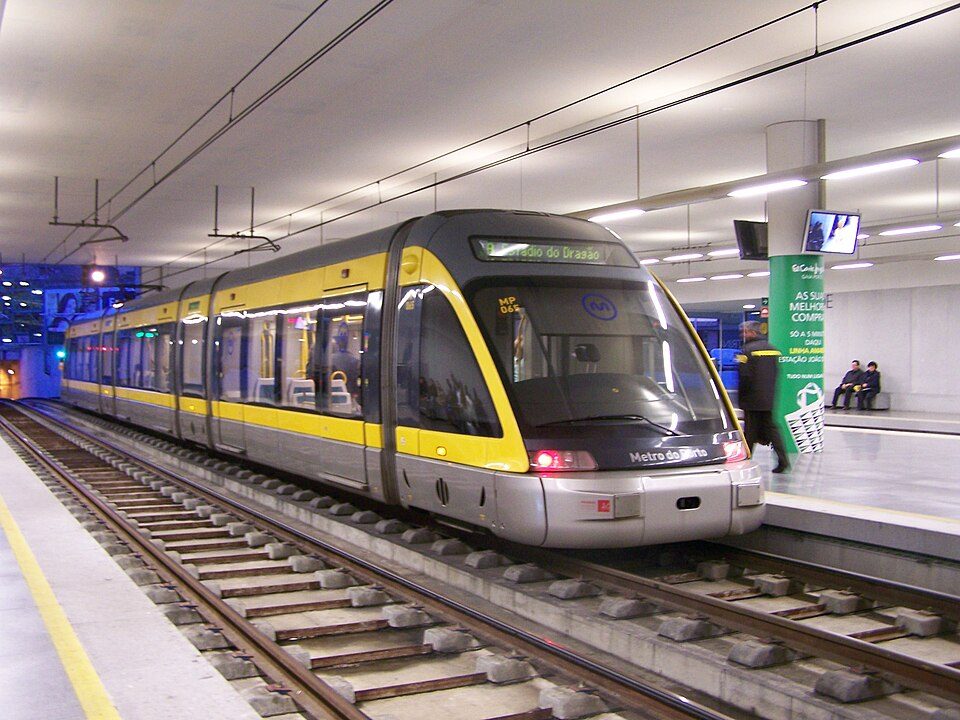
Complaints about air conditioning on Porto Metro's older Eurotram fleet have returned with the summer heat. Passengers on Metro do Porto, particularly on the lines serving Vila Nova de Gaia, Matosinhos, and Gondomar, are again reporting stifling conditions inside carriages, with air conditioning that at best runs inconsistently and at worst blows warm air.
An old problem, on an old fleet
The issue is concentrated on the Eurotram vehicles, a fleet of 72 cars that entered service when Metro do Porto opened in December 2002, making them the system's original rolling stock and, at 24 years old, its oldest vehicles still in regular use. Riders describe climate control varying car to car, sometimes cold, sometimes room temperature, sometimes warm within the same train. Health experts generally warn that prolonged exposure to high temperatures poses the greatest risks to older adults, young children, and people with chronic illnesses.
Why the air conditioning shuts off
Metro do Porto says it's aware of the problem and regrets the discomfort, but points to a design limitation baked in from the start. The operator says the Eurotram fleet's climate control was specified around 25 years ago, based on the climate assumptions in place at the time, with the air conditioning shutting down automatically once temperatures reach roughly 35°C because of pressure limits built into the system. Past that point, the shutdown is a safety feature rather than a malfunction, but one that means the AC is more likely to fail on exactly the days it's needed most.
The operator says every vehicle starts service with functioning air conditioning and that any fault is typically repaired the same day, but acknowledges the Eurotrams' age and large glazed surface area make full resolution of the problem difficult. Short-term, it has stepped up preventive maintenance and begun testing a cold-air injection procedure for trains starting service from the Senhor de Matosinhos station on Line A. Longer-term, the company has ordered 22 new vehicles better suited to sustained heat, though that fleet renewal will take time to roll out across all affected lines.
Complaints rising
The heat complaints come as rider dissatisfaction has risen more broadly. Complaints against both Metro do Porto and Metro de Lisboa have more than doubled so far in 2026 compared with the same period last year, according to Portal da Queixa, up 119% in Porto and 125% in Lisbon. For Porto specifically, punctuality and scheduling issues remain the single biggest complaint category, with service quality and ticketing not far behind, but the seasonal air conditioning problem has become its own recurring flashpoint in local coverage each summer.
What riders should know
The problem primarily affects the older Eurotram fleet, concentrated on the lines serving Vila Nova de Gaia, Matosinhos, and Gondomar. Metro do Porto says maintenance has been intensified and new rolling stock is on order, but passengers on these routes should continue to expect occasional air-conditioning failures during periods of extreme heat.
Metro do Porto says the long-term solution is fleet renewal. Until then, passengers using the older Eurotrams are likely to continue experiencing air-conditioning problems during the hottest periods of the summer.