Portugal's government put real images and numbers behind its long-discussed new Lisbon airport on Wednesday, unveiling the first renderings of Aeroporto Luís de Camões at a presentation in Lisbon's Centro Cultural de Belém. The plan, titled "Expansão e modernização do sistema aeroportuário nacional: ligar Portugal ao Mundo," covers investment across Portugal's entire airport network, but the new Lisbon airport is the centerpiece.
ANA Aeroportos de Portugal also released the first official renderings during Wednesday's presentation.
Where, when, and how big
The new airport will be built on the Campo de Tiro de Alcochete, a military firing range across the Tagus from Lisbon. The government expects it to open in 2037, though it's aiming to accelerate that to 2036 if it can push through measures to speed up the construction timeline.
At opening, the airport is designed for 56 million passengers a year, with room to grow to 85 million as air travel demand increases. The initial plan includes two runways, 64 boarding gates, 72 jet bridges in direct contact with aircraft, and a passenger terminal of roughly 500,000 square metres. The building is designed to be Net Zero, with sustainability criteria built into the design from the outset rather than added later.
A rail link that opens before the airport does
The rail timetable is unusual: the dedicated high-speed connection to the airport is scheduled to open in 2034, two to three years before the airport itself. According to Hugo Espírito Santo, Portugal's Secretary of State for Infrastructure, the new station will be served by four rail lines and three platforms, with direct long-distance connections to multiple regions of the country, crossing the Tagus via the planned "Terceira Travessia" (third crossing). The government's official estimate is that 20 million passengers a year will reach the airport by rail, with a dedicated shuttle service getting travelers to central Lisbon in about 20 minutes.
The supporting road network includes more than 250 kilometres of new roads and upgrades to more than 50 kilometres of existing routes.
What has to happen first
Before construction can begin in earnest, the military has to release the land. The government's phased timeline calls for the specific area needed for the airport, not necessarily the entire firing range, to be freed from military use by 2029, alongside a restructuring of the surrounding airspace so the new airport's operations don't conflict with existing civil and military air traffic. Utilities, water, fuel, electricity, and telecommunications, still need to be planned and built out to the site as well.
ANA Aeroportos de Portugal delivered its technical report on the airport to the government on July 17, the third such report, following an initial report in December 2024 and a consultation report in July 2025, covering the functional programme, operational capacity, multimodal connectivity, and long-term structural solutions. The presentation was led by Infrastructure and Housing Minister Miguel Pinto Luz, alongside Secretary of State Hugo Espírito Santo. The next step is submitting the final Environmental Impact Study to the Agência Portuguesa do Ambiente and the government by the end of this month, followed by review from the relevant authorities and then detailed design and architecture work; ANA is expected to complete its full concession application by January 2028. A financial report, due January 17, 2027, is meant to spell out how the project will actually be funded and confirm that financing partners are prepared to back it. An earlier estimate put the project's cost at around €8.5 billion, with ANA proposing to finance most of it through debt issuance rather than direct state budget funding, though the government has separately pushed back on some of ANA's air-traffic growth projections underlying those figures.
What happens to Lisbon's current airport
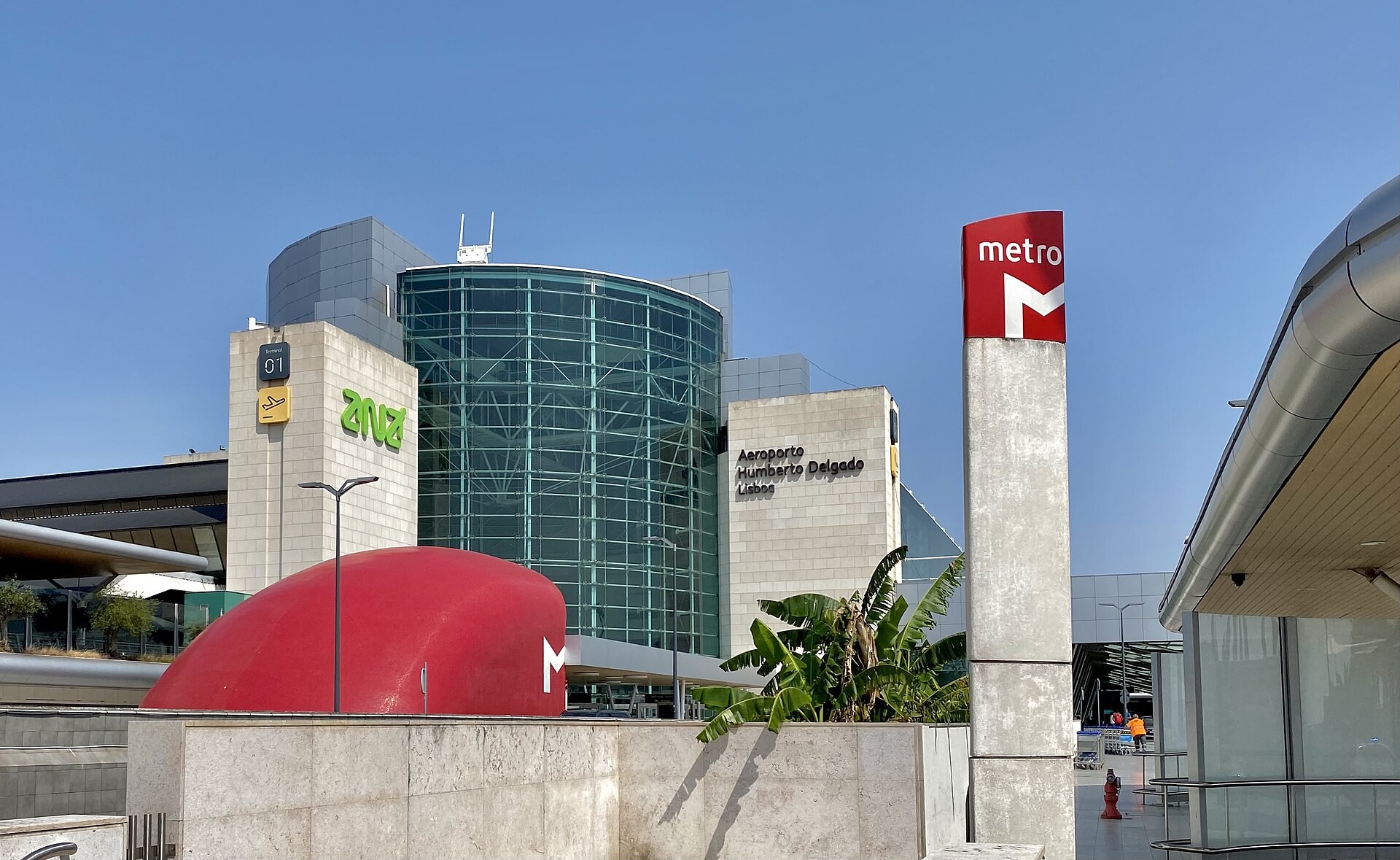
Aeroporto Humberto Delgado, Lisbon's existing airport at Portela, isn't being abandoned overnight. The government's plan is to keep it running, with reinforced capacity in the meantime, until Luís de Camões is ready, avoiding a gap in service as passenger numbers keep climbing. Once the new airport opens, Humberto Delgado is intended to close for good, ending the two-airport arrangement in favor of a single major hub at Alcochete.
The freed-up Portela site already has a long-term future sketched out: a March 2025 plan called Parque Cidades do Tejo, with a roughly 50-year horizon, envisions turning the former airport land into a large park alongside more than 10,000 new homes, as part of a broader reordering of the Lisbon metropolitan area.
The rest of the network isn't being ignored
The plan also covers upgrades across Portugal's existing airports, run by ANA under its concession with Vinci Airports. In Lisbon, that means expanding Terminal 1, a new aircraft parking apron, a new border control area, and an expansion of Terminal 2. Porto is getting a full runway renewal, a new Airport Operations Control Centre, and terminal modernization. Faro is slated for expansion and modernization work, and both the Azores and Madeira are getting terminal renovations.