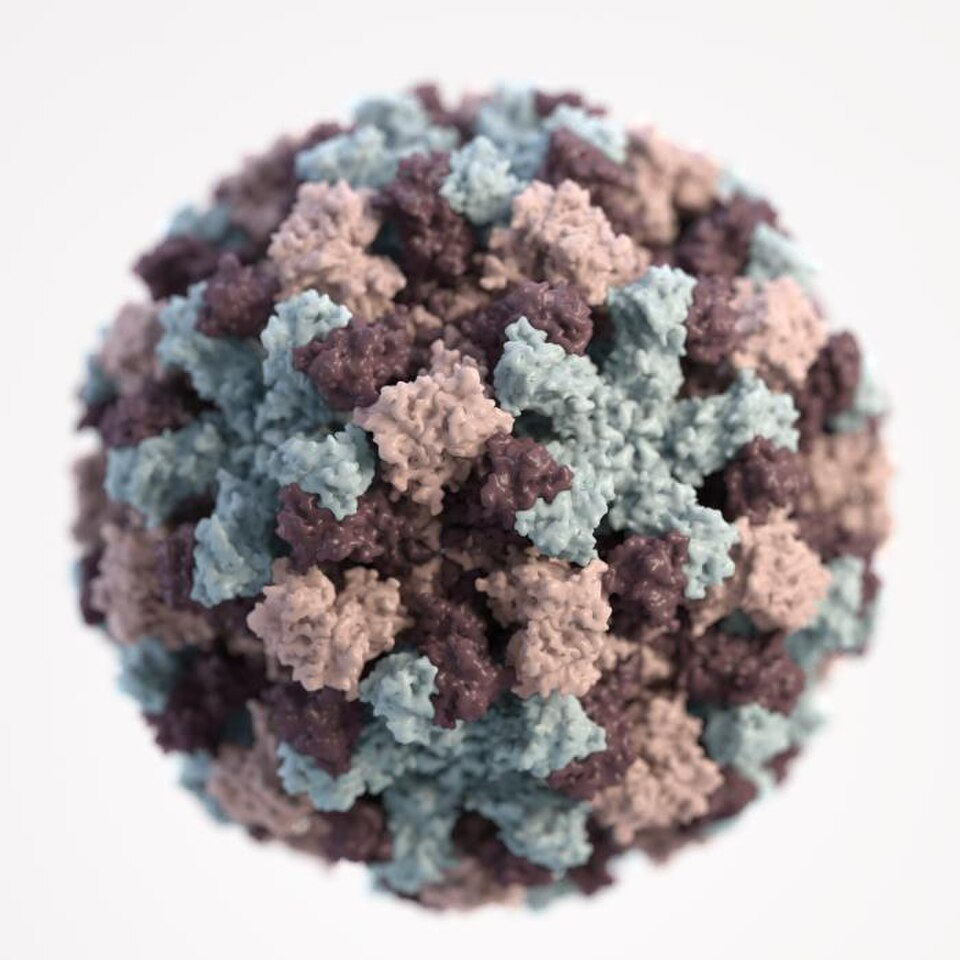
What initially looked like a possible case of food poisoning in Caldas da Rainha has now been traced to norovirus, the leading cause of viral gastroenteritis worldwide. The regional health authority, Unidade Local de Saúde (ULS) do Oeste, confirmed the diagnosis this week after stool samples analysed by Portugal's national health institute, the Instituto Nacional de Saúde Doutor Ricardo Jorge (INSA), came back positive for a Genogroup II strain.
By the latest count, 122 people have reported symptoms consistent with the outbreak. More than 60 of them were seen at the emergency department of Caldas da Rainha hospital over the past week, presenting mainly with vomiting and diarrhoea, and in some cases nausea, fever, abdominal pain and headaches. Health officials say the case tally could still rise, as contact tracing is ongoing.
The football-tournament link
Most of those affected are tied to FootMania, an international youth football tournament held around Caldas da Rainha and Óbidos between 4 and 8 July that drew roughly 1,200 players, coaches and accompanying family members. Teenagers between 15 and 17 make up the bulk of the cases, though a number of local residents with no connection to the event have also fallen ill.
Investigators from ULS do Oeste, the food-safety regulator ASAE and the Caldas da Rainha municipality spent the past week testing food, water and surface samples. Two swabs came back positive for the virus: a canteen door handle and a toilet flush handle in the men's restroom at the Expoeste venue where the event was staged. ASAE has since inspected the two vendors linked to the event and found no major irregularities in their food or facilities, and health authorities have ruled out the public water supply as a source. That leaves environmental contamination and person-to-person transmission via surfaces as the leading explanation, though the exact route of exposure that triggered the outbreak has not been pinned down.
"These results confirm the existence of environmental contamination and reinforce the role of surface contact in spreading the outbreak," ULS do Oeste said.
How serious is it?
For most people, not very. Norovirus typically produces a short, sharp bout of illness that clears on its own within a few days. ULS do Oeste describes the clinical picture in this outbreak as favourable overall, short in duration, resolving spontaneously, with no severe cases. The health authority draws an explicit distinction here: despite the emergency-room visits, it says none of the cases has required hospital admission. That is the usual course for norovirus, though dehydration is the main risk to watch for, particularly in children and older adults.
Health authorities are advising anyone with symptoms, or who attended FootMania, to wash hands frequently with soap and water, stay hydrated, clean and disinfect high-contact surfaces, wash any clothing exposed to vomit or faeces separately at high temperature, and stay home while symptomatic without preparing food for others until fully recovered.
Why it matters for the Oeste region
Caldas da Rainha and neighbouring Óbidos are firmly on the summer visitor map, and the Oeste is home to a growing share of foreign residents. Norovirus spreads easily wherever large groups share accommodation, dining areas or washrooms, and this kind of outbreak is a known risk at any large sports or festival gathering, not a sign of a lapse specific to this venue. Anyone who passed through the tournament venues in early July and later developed stomach symptoms is worth flagging to ULS do Oeste for the ongoing case count, and the usual advice applies to any traveller: alcohol gel is less effective against norovirus than soap and water, so wash properly rather than relying on sanitiser alone.