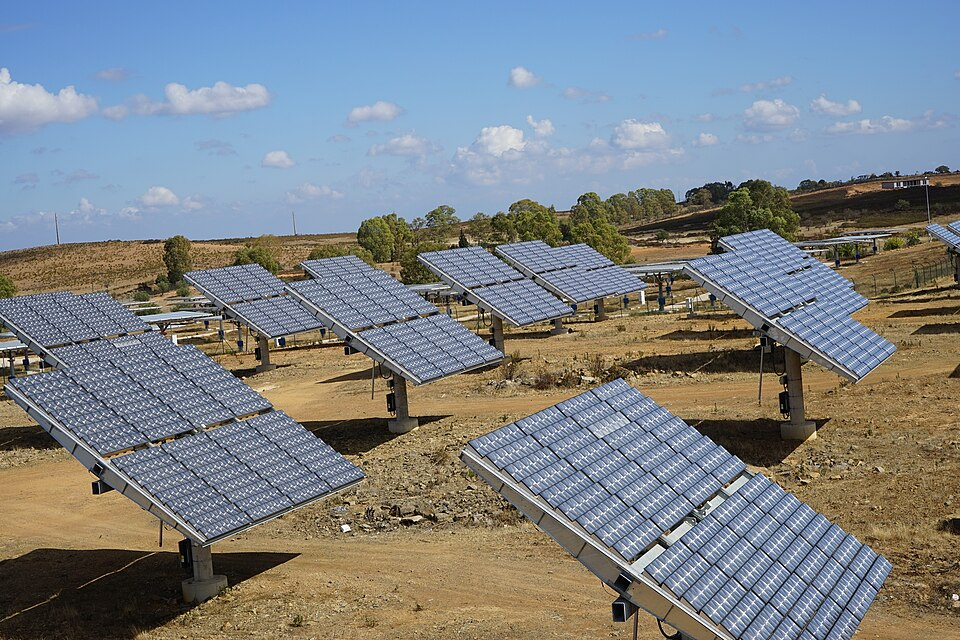
Solar power was the leading source of electricity generation in Portugal in July, the first time that's happened in a single month, according to REN, the national grid operator, in its monthly technical data report released August 3.
Solar supplied 19% of national electricity consumption in July, ahead of hydropower (16%), wind (13%), and biomass (5%). Renewable sources combined covered 53% of consumption for the month. Non-renewable generation supplied 13%, and the remaining 34% came from imports from Spain.
Solar's monthly lead doesn't yet extend to the year as a whole. Over the first seven months of 2026, renewables covered 68% of consumption, but solar ranks third among them, behind hydropower (27%) and wind (24%), with biomass again at 5%. Natural gas supplied 14% of consumption over that period, with imports covering the remaining 18%.
Solar led despite below-average productivity
REN also reported that solar and wind both generated below their historical productivity averages in July, with productivity indices of 0.89 and 0.71 respectively, where 1.0 represents the historical norm. Hydropower ran well above average, at 1.26, helped by a wetter-than-usual month. Solar still topped the mix despite producing below its own historical productivity baseline, underscoring how much solar capacity is now available on the system. Portugal also set an instantaneous solar power output record of about 3,800 megawatts on June 29 at 1:30 p.m.
Electricity consumption kept climbing, up 3% year-on-year in July (1.8% after adjusting for temperature and working days), and up 3.5% over the first seven months of the year. The first half of 2026 alone set an all-time consumption record for the period, 27,200 gigawatt-hours, about 900 GWh above the previous high.
Natural gas use fell as power generation leaned on renewables
Natural gas use fell instead. July consumption fell 7.3% year-on-year, driven by a 20% drop in gas used for power generation, while gas use among other consumers, what REN calls the "conventional segment," was roughly flat, up 0.1%. REN said the Sines LNG terminal supplied the entire national system's gas during the month, with about two-thirds of imports coming from Nigeria and the rest from the United States. Over the first seven months of the year, accumulated natural gas consumption rose 4.1%, with Nigeria and the U.S. remaining the two largest sources, at 53% and 33% of the total respectively.