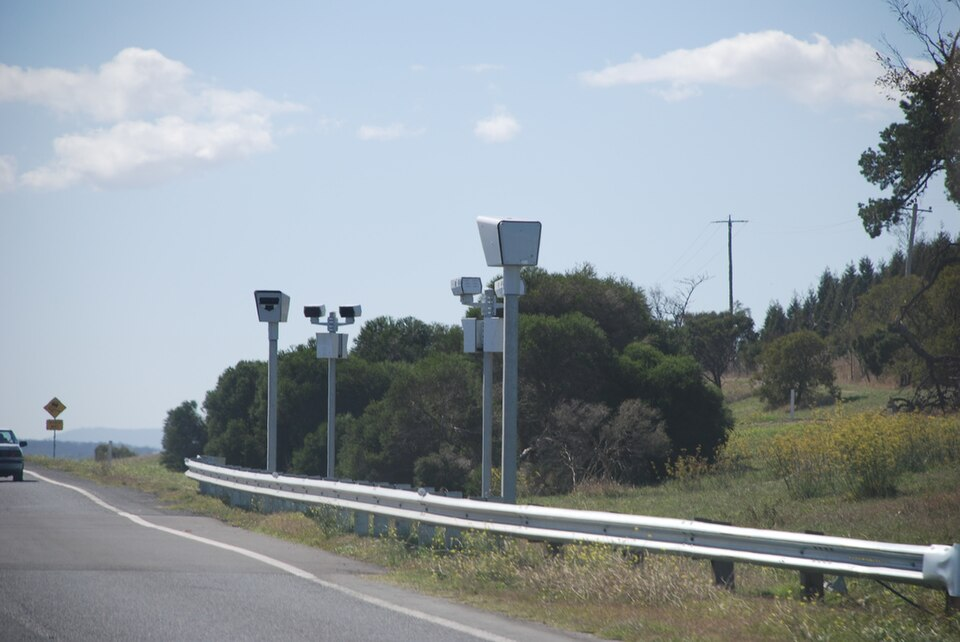
Portugal's National Road Safety Authority (ANSR) marked ten years of SINCRO, its automated speed-control system, and released data showing 3,611,645 speeding infractions detected since the system launched in 2016, an average of about 989 speeding infractions detected per day. The figures, given directly to the Lusa news agency, were widely reported across Portuguese outlets this week.
The numbers
2023 was the record year, with 671,709 fines, the highest in the system's history. 2018 was the second-highest, with 515,838. Since 2023, infractions have declined: 477,297 in 2024, 418,783 in 2025, and 163,951 through the first half of this year. SINCRO now operates 123 speed-control locations nationwide: 100 measure instantaneous speed and 23 measure average speed over a defined stretch of road. ANSR says every location is permanently signposted, meaning drivers are warned in advance rather than encountering hidden enforcement, and the agency publishes all camera locations, including average-speed sections, on its website in advance. ANSR plans to add another 12 average-speed sections, though it hasn't yet announced where.
Do they actually work?
At the specific locations where cameras were installed back in 2016, ANSR reports a 23% drop in accidents involving injuries, a 71% drop in fatalities, a 38% drop in serious injuries, and a 22% drop in minor injuries. Those are substantial reductions at the locations where cameras were installed, suggesting the system has been effective where it has been deployed.
Nationally, however, road safety trends have moved in the opposite direction. ANSR's provisional figures show 89,763 accidents since January 1, about 6,000 more than during the same period last year. Fatalities rose to 285, up 23, while serious injuries increased by 87 to 1,728. Minor injuries fell by 475 to 25,846. ANSR did not attempt to explain why road deaths are increasing nationally despite the strong safety results reported at camera locations.