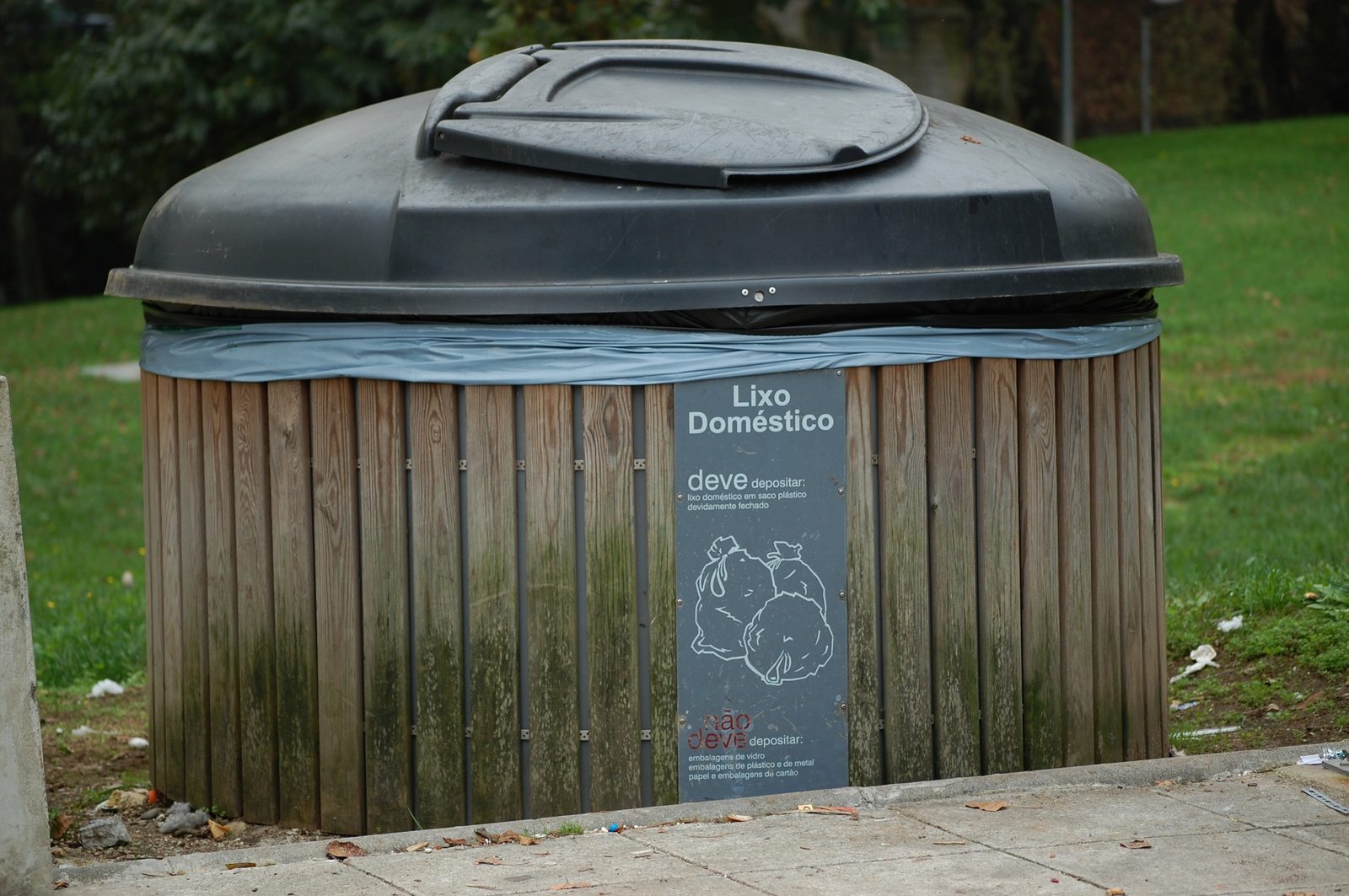
Portugal's new deposit-return system for bottles and cans, known as Volta, pays out 10 cents for every eligible container handed back at one of more than 2,500 collection points across mainland Portugal, the Azores, and Madeira. Operational since April 10, 2026, it's meant to boost recycling rates. Its rollout has also coincided with complaints in both Lisbon and Porto, and now confirmation from city officials themselves, about litter, rummaged bins, and in Porto's case, vandalism.
Lisbon: bins rummaged, rubbish left behind
Residents and local freguesia councils in Lisbon say they're fielding a growing stream of complaints about rubbish left strewn across pavements in Cais do Sodré, Príncipe Real, Chiado, and Bairro Alto, areas with heavy nightlife foot traffic and, therefore, no shortage of discarded bottles and cans. Residents say their concern isn't with the scheme's goal, it's with what happens when someone rummages through a shared bin looking for containers worth returning, and doesn't put everything else back.
Fabiana Pavel of the residents' group Movimento Morar em Lisboa put it plainly: people "mexem nos caixotes e muitas vezes o lixo fica depois no chão", they go through the bins, and the rubbish often ends up on the ground. In an area that already struggles with cleanliness, she says, that makes things worse.
Who's doing the digging
Pavel, herself a Bairro Alto resident, said she believes the people rifling through containers and bin bags aren't only people experiencing homelessness, but also others in difficult financial circumstances looking to make a bit of extra cash 10 cents at a time.
A council statement acknowledges the pattern directly: bins and litter bins are being rummaged through or emptied onto the street by people seeking Volta-eligible containers.
The Câmara Municipal de Lisboa confirmed to public broadcaster RTP that it's aware of the issue and tracking it. In a written response, the city said it recognizes the deposit-return system as an important tool for boosting packaging collection and recycling, supporting Portugal's environmental sustainability goals, but acknowledged it's still in an early rollout phase, with an adjustment period to be expected from both the public and the various parties involved.
Porto reports the same pattern, plus vandalism
Porto is seeing a similar problem, and the city's own numbers give it some texture. Porto Ambiente, the municipal company responsible for public cleaning, has been recording an increase in containers that are rummaged through, emptied onto public roads, and in some cases vandalized, specifically to extract Volta-eligible bottles and cans, the Câmara do Porto told the Lusa news agency this week. The city says the pattern has meant extra intervention from cleanup crews, both to clear scattered waste and to repair damaged containers.
There's an environmental cost buried in that cleanup, too: according to Porto Ambiente, waste collected after these incidents can no longer be routed as selective (recycling) collection. Instead it's processed as undifferentiated waste, which hurts the city's recycling metrics and adds treatment costs on top of the cleanup itself.
One thing Porto's data does not show, though: a drop in how much packaging the city collects overall. Lusa had asked the Câmara whether the new system was reducing total collection volumes, as it says other municipalities have reported, but in Porto's case, it isn't. Between the system's April 10 launch and the end of June, packaging collection in Porto tracked in line with the same period in 2025, and was in fact slightly higher, up roughly 4 tonnes. The city's separate door-to-door residential collection scheme, covering paper, plastic, glass, and organic waste, saw an 8% increase in packaging collected over the same window. As the Câmara put it to Lusa: the main impact has landed on urban cleaning, operations, and the costs tied to vandalism and scattered waste, not on the volume of material actually being recycled.
What the cities say they'll do
Lisbon's language leans cautious rather than committal: it says it will "continue to monitor how the situation evolves, working with the entities responsible for the system, and assess whether measures are needed to minimize impacts on urban hygiene and public space." No concrete enforcement step, fine, or bin redesign has been announced yet in Lisbon, just a stated intention to keep watching. Porto's response reads similarly: awareness of the problem, cost and cleanup impact acknowledged, but no announced fix beyond continued monitoring.
Residents' groups in Lisbon say the city's stated intent to keep monitoring doesn't yet address the litter they're describing on their streets.
The bigger picture
Nationally, the system appears to be working as intended in terms of uptake: SDR Portugal, the non-profit entity that runs Volta, reported collecting more than 10 million containers since launch as of June 10, across the network of 2,500-plus return points nationwide, evidence, in the entity's own framing, of strong early public adoption. The litter and vandalism issues in Lisbon and Porto sit alongside that success rather than contradicting it: more people using the system also means more people willing to bypass it by raiding bins directly, rather than returning containers themselves for the 10-cent deposit.
Why this matters if you live here
If you're renting or living centrally in Lisbon or Porto, especially anywhere near Cais do Sodré, Bairro Alto, Chiado, or Príncipe Real in Lisbon, this is one to expect on your street rather than be surprised by. Residents who'd rather avoid contributing to the problem may prefer taking eligible bottles and cans directly to a Volta return point instead of leaving them in communal bins.